
George Washington Carver Park
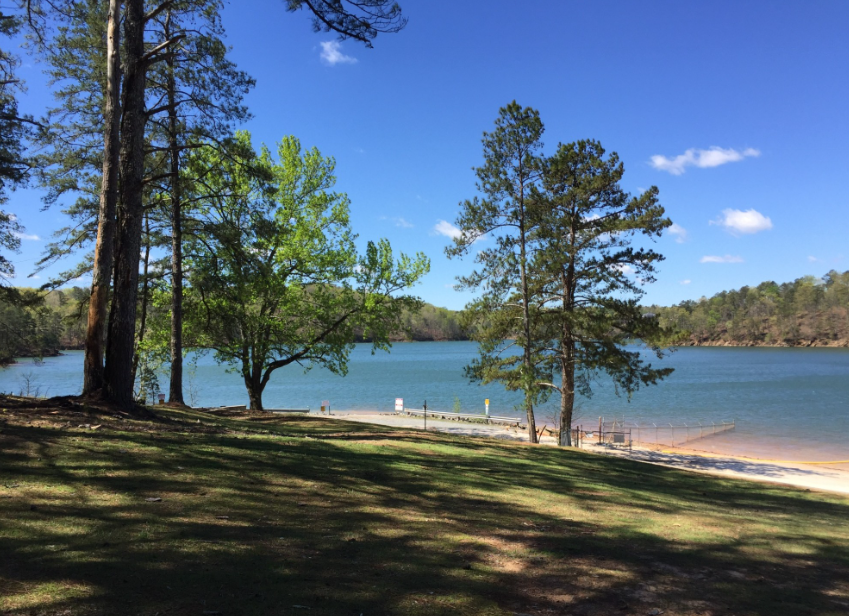
George Washington Carver Park on Lake Allatoona preserves an overlooked part of Black history: where Black families went to swim, picnic, gather and enjoy themselves when segregation restricted access to recreational spaces. You don't hear much about “Colored Beaches” in Atlanta. But we had one. And this was it.
During segregation, Black Atlantans couldn't simply pack the car on Saturday morning, drive up to Lake Allatoona and choose whichever beach they wanted. The white beach was the white beach. And Black people needed somewhere else to go. George Washington Carver State Park opened in 1950 as the segregated recreational destination for Black visitors on Lake Allatoona. It was commonly understood and described for what it was: the Colored Beach.
Nearby Red Top Mountain was for white visitors. Carver was for us. But what segregation created out of exclusion, Black Atlanta turned into a destination. Families drove up from Atlanta. Church groups came. Young people came. Black professionals came. Black Atlanta's wealthy and well-known came too. This wasn't simply some little patch of shoreline where Black folks were reluctantly allowed to get in the water.
Carver became a major Black recreational destination. At a time when segregation restricted where successful Black Atlantans could vacation, swim and socialize just like everybody else, this was one of the places Black Atlanta went to enjoy itself. Music became part of that culture too. Performers including Ray Charles and Little Richard are connected to Carver's history, and the park developed a reputation as a major Black social and recreational gathering place. Think about what that means.
Atlanta had Black doctors. Black lawyers. Black business owners. Black entertainers. Black families with money. Black families without much money. But when summertime came and everybody wanted to go to the lake, Jim Crow still had something to say about which beach they could use. So they came here. And they made memories anyway. That's why BlkTravel doesn't want you to come to Carver, read a historical marker and leave. Go to the beach. Bring the cooler. Bring the kids. Have the cookout. Get in Lake Allatoona. Sit under a tree.
Spend the afternoon doing the same thing generations of Black Atlantans traveled here to do. The difference is that you came because you chose Carver. For them, Carver existed because segregation said they couldn't choose anywhere else. And there's something powerful about Black travelers voluntarily returning to a place our grandparents and great-grandparents once knew as the Colored Beach and simply enjoying ourselves.
Because Black history isn't only where we suffered. It isn't only where we marched. It isn't only where we demanded entrance into white spaces. Sometimes Black history is where we laughed, flirted, swam, ate, danced, showed off, brought the family and had a damn good Saturday. George Washington Carver Park preserves that history. This is where Black Atlanta went to the beach.
The BlkTravel Take
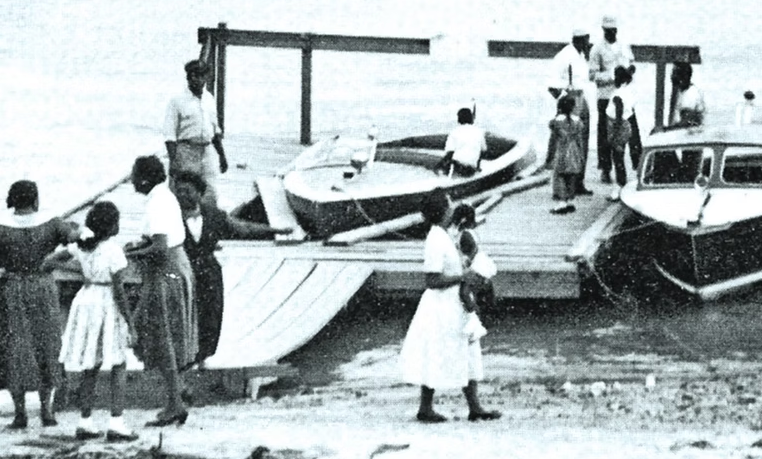
Summer
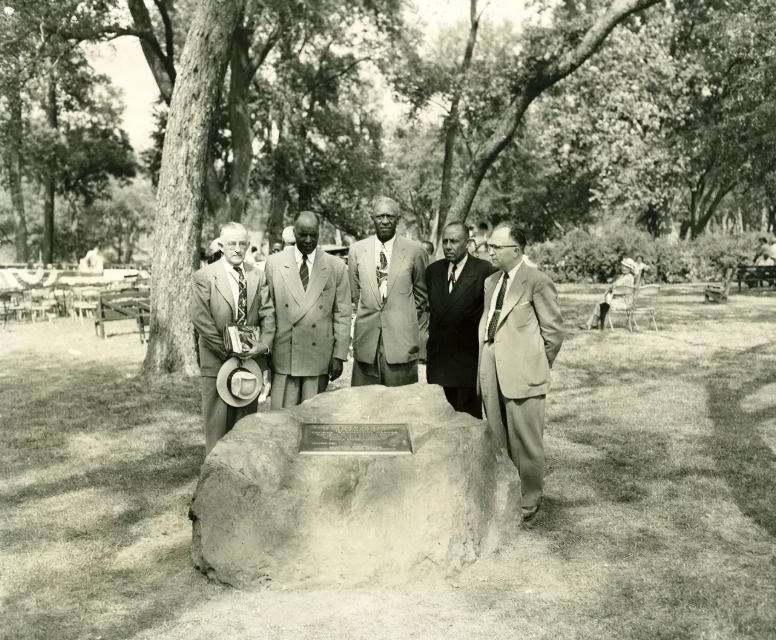
Old Atlanta
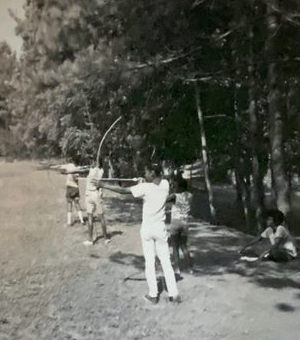
Freedom
Because segregation didn't stop when Black people wanted to have fun. And most Black History itineraries don't tell you that story. George Washington Carver Park lets us talk about Black leisure under Jim Crow, but more importantly, it allows today's traveler to participate in the continuation of that leisure.
This isn't the former site of the Colored Beach. The beach is still here. You can stand on the same shoreline. You can swim in the same lake. You can bring your own family back to a place generations of Black Atlantans traveled to because other beaches were closed to them.
That's exactly what this entire list is supposed to do.
Don't just tell us where Black history happened. Let us stand in it.
Travel Pics & Vibes
BEST FOR
Black Leisure History • Families • Swimming • Picnics • Lake Days • Hidden History